
Coverage after vision loss

Pet insurance for a blind dog

Separate eligibility for a policy from payment for the condition that caused the vision loss.

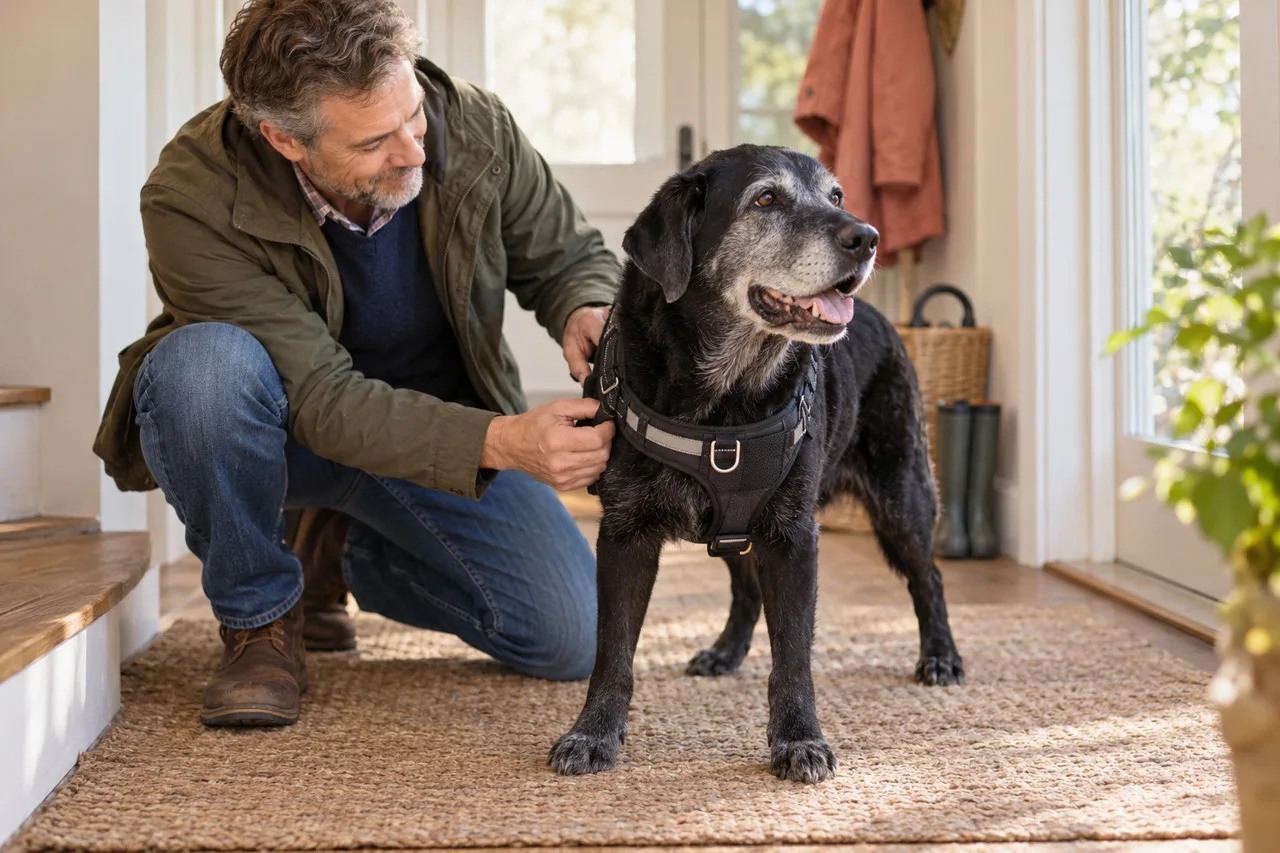
Owner fastening a harness on a black dog at the doorway
✓ Policy-first ✓ Independent ✓ Useful checks
Direct answer
A blind dog may still be eligible for pet insurance, but enrollment does not mean the existing blindness or its cause will be covered. The insurer’s eligibility rules and medical-history exclusions determine the offered protection. Ask separately about the diagnosed cause, related complications and new unrelated illnesses or accidents rather than accepting an all-or-nothing answer about the dog.
What to know

Begin with the diagnosis behind the vision loss

“Blind” describes a functional outcome. The underlying medical record may describe an eye disease, injury or another condition, and that history is what the insurer must assess. Ask your veterinarian for the diagnosis, relevant dates, treatment history and current care plan. Do not guess a cause from cloudy eyes or behavior.

Cornell’s canine glaucoma guidance shows why timely eye assessment matters: redness or squinting may indicate a problem, and confirmed glaucoma requires prompt treatment to protect vision. New vision loss, eye pain or other concerning changes deserve veterinary attention now, even if the dog already has reduced sight. Insurance research should not postpone that care.

Coverage

Ask four coverage questions independently

Can this dog enroll?

Request the provider’s actual age, species and other eligibility assessment. A possible exclusion is not the same as a refusal to insure the animal.

What happens to the existing eye problem?

Ask how the recorded cause of blindness, prior symptoms, continuing medication and related treatment are treated.

What future risks remain insurable?

Request an explanation of unrelated new illnesses or accidents under the offered terms. Do not assume that every future problem will be linked to blindness.

How are related conditions defined?

If an exclusion names an eye, disease or related condition, ask about its exact scope rather than inferring a blanket rule for both eyes or the whole dog.

The useful result is a written description of the offered protection. A quick “yes, you can apply” is incomplete if your main reason for buying is payment for treatment already underway.
What to know

Build a factual record of what happened and when

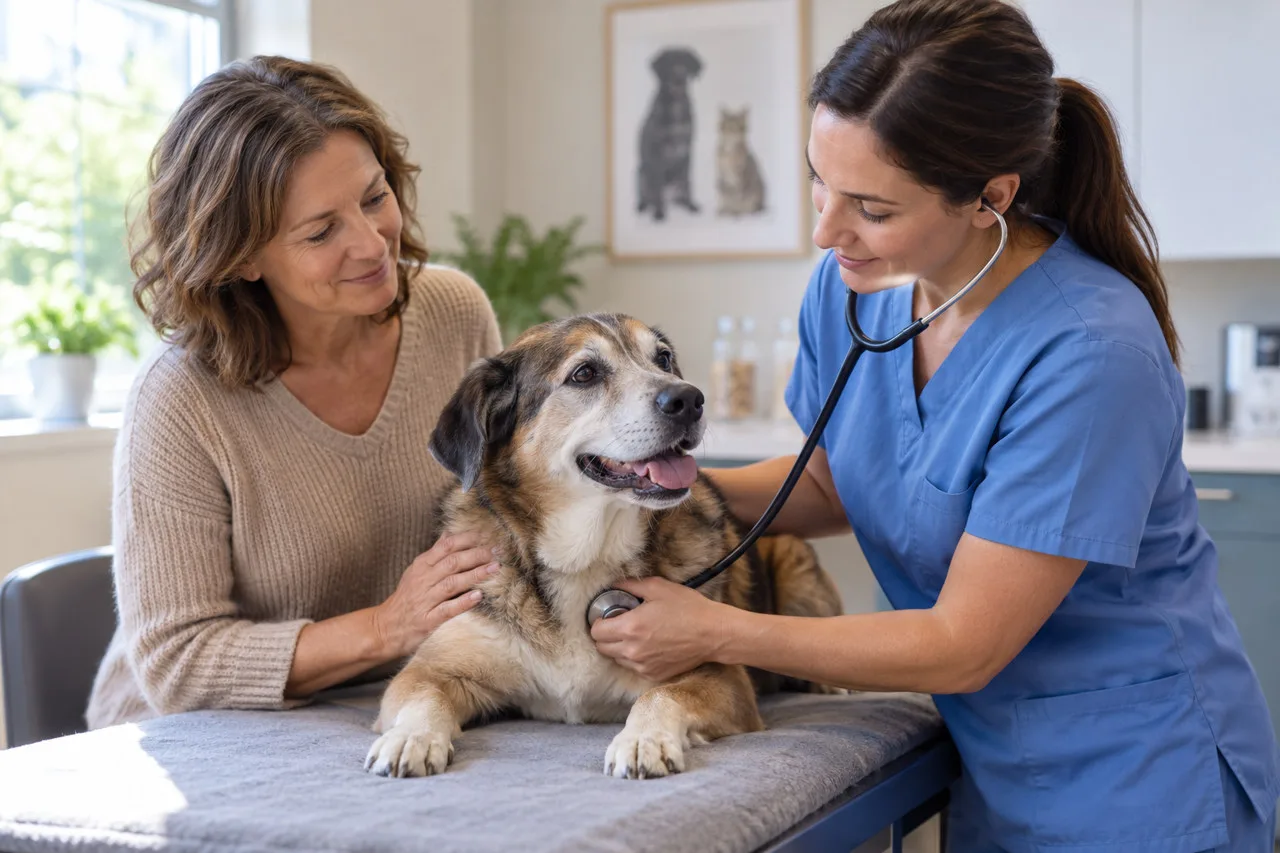
Veterinarian examining a gray-muzzled dog while its owner supports it
A clinical record can identify the cause and timing of vision loss; the photo itself establishes neither.
  • When you first noticed a change in vision or other relevant symptoms.
  • The first veterinary visit, diagnostic findings and specialist reports.
  • Any known prior eye disease, injury or underlying medical condition.
  • Medication, ongoing monitoring and procedures already recommended.
  • The start date and relevant terms of any existing insurance.

Distinguish the day of diagnosis from the day symptoms began. The policy’s pre-existing definition may consider signs before a formal diagnosis. If an adoption record is incomplete, disclose the gap and ask the insurer what other evidence it needs; do not replace missing history with certainty.

Its general statements about potentially resolved temporary conditions should not be read as a promise that permanent blindness or an ongoing cause will become eligible after a symptom-free interval.

Pet profile

If the dog was insured before losing sight

Find the policy that was active when relevant signs began, the applicable waiting periods and any previous claim decisions. Ask that insurer about the current condition under the existing contract before considering a replacement.

A new provider may assess the established condition as pre-existing even if the earlier policy has paid for it. Compare continuity of coverage as well as the new premium. Do not cancel an existing policy until you understand what the proposed replacement would exclude.

Keep specialist invoices and clinical reports together, and ask how examination fees, diagnostics, medication and follow-up care fit the existing benefits. Coverage of one service does not establish an unlimited allowance for every future visit.

What to know

Decide whether the remaining protection is useful

If the cause of blindness remains excluded, estimate the care you will need to fund directly with your veterinary team. Evaluate any offered insurance for the other risks it genuinely covers. This prevents a premium from being mistaken for a solution to the expense already in front of you.

Ask how a future injury would be assessed if the insurer considers it related to impaired vision. The answer should come from the contract and a factual claim review, not from a blanket assumption that a blind dog cannot have an unrelated accident.

Finally, plan clinic payment timing. A reimbursement policy can require you to advance the bill even when a claim is eligible. Choose only if both the recurring premium and the possible upfront costs fit the arrangement you can sustain. Your dog’s vision status alone cannot determine that financial fit.

Evidence

Sources and policy context

These public references support the consumer or veterinary context. Named insurer details were checked in official product materials; the policy offered for your pet and state determines the actual terms.

Next step

Compare Current Pet Insurance Rates

Check current options for your pet and location, then compare the policy details, exclusions, costs, and eligibility before choosing.

Compare the policy before you choose Check the actual offer, exclusions and out-of-pocket terms.
See Rate Options